FREE PENNSYLVANIA HOMEOWNER SEWER GUIDE
Protect Your Home from Costly Sewer Problems Before They Start
What Every Homeowner Should Know Before a Sewer Problem Becomes an Expensive Emergency
Download Your Free Guide (PDF)
No registration required.
No email address required.
Just practical information every Pennsylvania homeowner should have.

Prepared By:
R.N. Fitch Excavation
Website:
https://rnfexcavation.com/
Your Home's Sewer Line Is One of Its Most Important Systems
Most homeowners never think about their sewer line until something goes wrong.
Because it’s buried underground, problems often develop slowly and without obvious warning. A simple slow drain today can become a major sewer backup tomorrow if the early signs are ignored.
That’s why RN Fitch Excavation Services created this free homeowner guide.
Inside, you’ll learn how your sewer system works, how to recognize warning signs before they become emergencies, and how a few simple maintenance habits may help you avoid costly repairs.
Whether you’ve owned your home for thirty years or just moved in, this guide provides practical information you can use for years to come.
What You'll Learn
✔ How your home’s sewer system works
✔ The most common warning signs of sewer problems
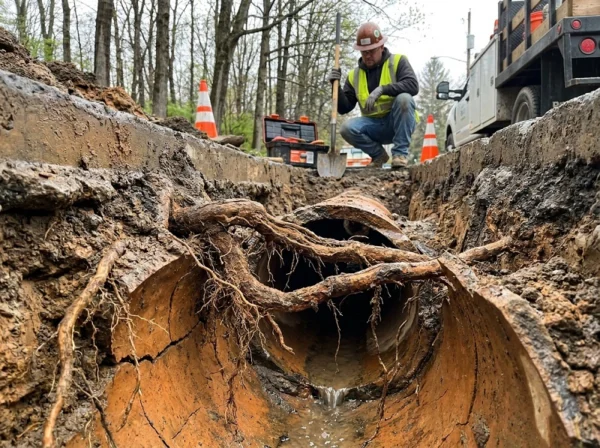
✔ Why tree roots damage underground sewer lines
✔ Simple maintenance tips that help protect your investment
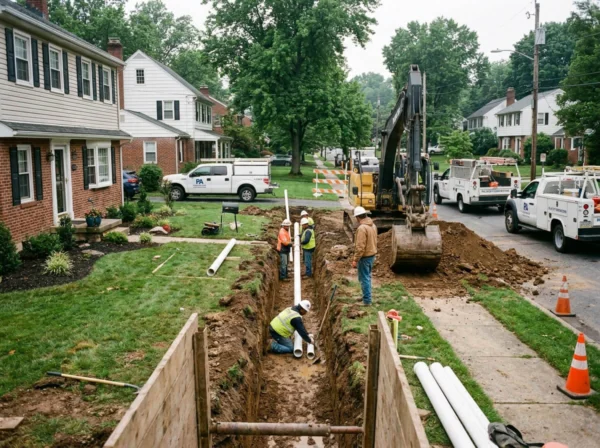
✔ What to expect during a sewer line repair or replacement
✔ Seasonal sewer maintenance checklists
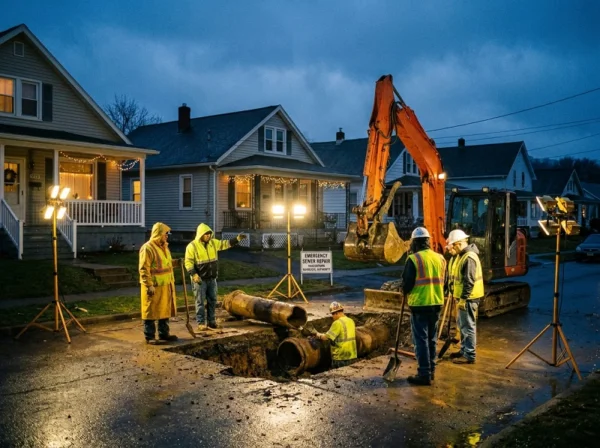
✔ Emergency situations every homeowner should recognize
✔ Frequently asked homeowner questions
✔ Annual inspection and maintenance worksheets
✔ Practical advice from experienced excavation professionals
Why We Created This Guide
At RN Fitch Excavation Services, we believe informed homeowners make better decisions.
We’ve helped homeowners throughout Northeastern Pennsylvania repair damaged sewer lines, replace aging sewer laterals, and restore properties after excavation. Over the years, we’ve noticed that many costly repairs begin with warning signs that homeowners simply didn’t recognize.
This guide was written to change that.
Our goal isn’t to overwhelm you with technical information. It’s to provide straightforward, practical advice that helps you better understand and protect one of your home’s most valuable systems.
Whether you ever need our services or not, we hope this guide becomes a trusted part of your homeowner records.







Who Should Download This Guide?
This guide is especially valuable if you:
- Own a home in Pennsylvania
- Live in a home built before the 1980s
- Have mature trees on your property
- Have experienced slow drains or recurring clogs
- Are buying or selling a home
- Want to better understand your home’s sewer system
- Prefer preventing problems rather than paying for emergency repairs
.
About RN Fitch Excavation Services
RN Fitch Excavation Services proudly serves homeowners throughout Northeastern Pennsylvania with:
- Sewer Line Repair
- Sewer Line Replacement
- Sewer Laterals
- Residential Excavation
- Drainage Solutions
- Emergency Sewer Repairs
- Property Restoration
Our reputation has been built on quality workmanship, honest communication, and treating every customer’s property with care and respect.
Free Pennsylvania Homeowner Sewer Guide | RN Fitch Excavation
Download Your Free Copy Today
Practical Tips to Prevent Costly Sewer Repairs in Pennsylvania
First Edition • 2026
No Cost • No Registration • No Email Required
Download Your Free Guide (PDF)
Need Professional Assistance?
If you’re experiencing slow drains, sewer odors, recurring backups, or suspect your sewer line may need attention, we’re here to help.
RN Fitch Excavation Services
📞 570-675-0646
Frequently Asked Questions
Is this guide really free?
Yes. There is no cost, registration, or email required. Simply download the PDF and keep it for future reference.
Is this guide only for Pennsylvania homeowners?
While much of the information applies to any homeowner, the guide includes examples and recommendations relevant to Pennsylvania homes and conditions.
Can I print the guide?
Absolutely. The guide is designed for both digital viewing and home printing.
Can I share this guide with family members?
Yes. We encourage homeowners to share this educational resource with family, friends, and neighbors.
Protect One of Your Home's Most Valuable Investments
Your sewer system works quietly every day beneath your property. A little knowledge and regular preventative maintenance can help you recognize problems early, protect your home, and avoid unnecessary repairs.
Download your free copy today and keep it with your homeowner records for years to come.
Pennsylvania Homeowner Sewer Guide
Owning a home means maintaining systems you can see, like your roof, siding, and landscaping. It also means protecting systems you can’t see, including the sewer line buried beneath your property. Unfortunately, many homeowners don’t think about their sewer system until a slow drain becomes a backup or a small underground problem turns into an expensive repair.
To help Pennsylvania homeowners better understand their sewer systems, RN Fitch Excavation Services created A Homeowner’s Guide to Healthy Sewer Lines. This free downloadable guide explains how residential sewer systems work, the warning signs of developing problems, and the simple maintenance habits that may help reduce the risk of costly repairs.
Whether you own an older home with aging sewer pipes or a newer home connected to a municipal sewer system, understanding the basics of sewer maintenance can help protect one of your home’s most important investments
How to Maintain a Sewer Line
Keeping your sewer line in good condition doesn’t require specialized tools or technical knowledge. Most preventative maintenance involves developing a few simple habits that protect the underground piping every day.
One of the most important things homeowners can do is avoid putting materials into the plumbing system that don’t belong there. Grease, cooking oils, paper towels, “flushable” wipes, hygiene products, and coffee grounds are common causes of drain and sewer line blockages.
Outside the home, it’s equally important to know where your sewer lateral runs before planting trees, installing fences, or beginning landscaping projects. Large tree roots naturally seek moisture and can eventually find their way into older sewer pipes through existing cracks or loose joints.
Regularly walking around your property is another easy maintenance habit. Watch for unusually green grass, wet areas that remain after dry weather, sinkholes, or unexplained depressions in the yard. These changes can sometimes indicate underground sewer line problems that deserve professional attention.
Finally, don’t ignore recurring plumbing issues. Multiple slow drains, bubbling toilets, recurring clogs, or sewer odors are often early warning signs that should be evaluated before they become emergencies.
Prevent Sewer Line Problems
Many sewer emergencies begin weeks—or even months—before homeowners realize something is wrong.
Early warning signs often include:
- Multiple slow drains
- Gurgling toilets
- Sewer odors inside or outside the home
- Wet spots in the yard
- Recurring drain clogs
- Water backing up into basement drains
Recognizing these symptoms early may provide more repair options and reduce the likelihood of larger excavation projects.
Preventing sewer problems also means protecting the underground pipe itself. Avoid driving heavy equipment over the sewer lateral whenever possible, keep mature trees under observation, and locate your sewer cleanout before an emergency occurs.
A small amount of preventative maintenance each season can help identify changes before they develop into more significant problems.
Homeowner Sewer Maintenance Guide
Our free Homeowner’s Guide to Healthy Sewer Lines was created specifically for Pennsylvania homeowners who want practical information—not technical jargon.
Inside the guide, you’ll learn:
- How residential sewer systems work
- Which portion of the sewer line is typically the homeowner’s responsibility
- Common causes of sewer line damage
- Tree root prevention tips
- Seasonal maintenance recommendations
- Warning signs to watch for
- What to expect during sewer line repair or replacement
- Frequently asked homeowner questions
- Printable maintenance checklists
The guide is written in plain language and is designed to become a long-term homeowner reference that you can keep with your important home records.
Sewer Line Maintenance Checklist
Preventative maintenance doesn’t have to be complicated. Following a simple routine throughout the year can help you become familiar with your home’s sewer system and recognize changes before they become expensive repairs.
Every Month
- Observe how quickly sinks and bathtubs drain.
- Listen for unusual plumbing sounds.
- Watch for sewer odors.
- Walk around your property looking for wet areas or unusually green grass.
Every Spring
- Inspect your yard after snow melt.
- Check for depressions or standing water.
- Locate and inspect your sewer cleanout.
Every Summer
- Know where your sewer lateral runs before landscaping.
- Keep heavy vehicles off the sewer line whenever possible.
Every Fall
- Address recurring slow drains before winter.
- Remove vegetation blocking access to your sewer cleanout.
Every Winter
- Dispose of grease properly after holiday cooking.
- Watch for plumbing changes during periods of heavy household use.
Simple routines like these can help homeowners identify developing problems before emergency repairs become necessary.
Download Your Free Pennsylvania Homeowner Sewer Guide
If you’re looking for a practical resource that explains sewer maintenance in clear, easy-to-understand language, download our free guide today.
A Homeowner’s Guide to Healthy Sewer Lines
Practical Tips to Prevent Costly Sewer Repairs in Pennsylvania
✔ Free PDF Download
✔ No Registration Required
✔ No Email Address Required
Whether you’re maintaining your current home, purchasing an older property, or simply want to better understand your sewer system, this guide provides information you can use for years to come.
Download your free copy today and keep it with your homeowner records.
Learn More About Sewer Line Repair
Some aging or collapsed sewer pipes require complete replacement rather than repair. Learn more about our Pennsylvania Sewer Line Replacement Services and what homeowners can expect during the replacement process.
Sewer Line Replacement
Some aging or collapsed sewer pipes require complete replacement rather than repair. Learn more about our Pennsylvania Sewer Line Replacement Services and what homeowners can expect during the replacement process.
Emergency Sewer Repairs
If wastewater is backing up into your home or multiple plumbing fixtures have stopped draining, visit our Emergency Sewer Repair page for immediate guidance and information about emergency excavation services
Dallas, PA Homeowners
If your property is located in the Back Mountain region, visit our Dallas, PA Sewer Line Repair page for local information, common sewer issues, and residential excavation services available in your area.